Product Design Agency for Innovative and Functional Product Development
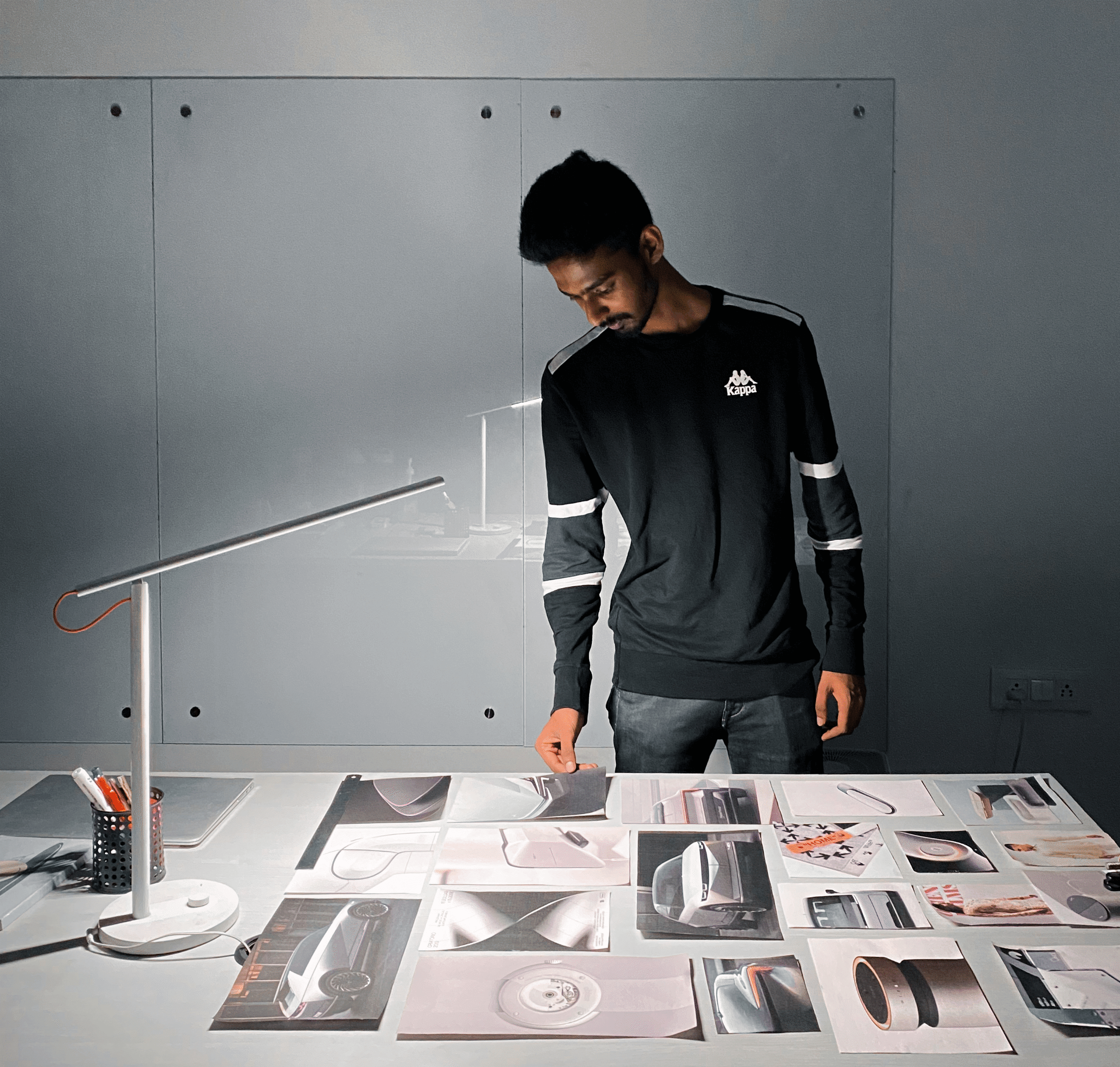
Developing a effective physical product demands much more than an eye-catching concept. Businesses need to consider usability, technical feasibility, materials, manufacturing processes, performance, cost and the end-user experience. A professional product design agency integrates these factors through a well-organised development process that turns ideas into functional product solutions. From initial research and idea exploration to in-depth engineering and production preparation, comprehensive product development services can help start-ups, established manufacturers and organisations bringing forward new products. Working with an established industrial product design agency can also support companies in balancing appearance, functionality and manufacturability while minimising preventable issues during subsequent development stages.
What Does a Product Design Agency Do?
A professional product design agency assists businesses design physical products by bringing together creative thinking with engineering knowledge. The process may commence with a new idea, an established product that needs improvement or a technical problem that requires a workable solution. Designers and engineers assess the intended users, usage environment, performance requirements and commercial objectives before creating potential design directions.
Effective product development means evaluating how the product will look, feel and perform in everyday use. Designers may investigate dimensions, ergonomics, materials, mechanisms, assembly techniques and production constraints. These considerations are evaluated together rather than considered independently, supporting the creation of a better-integrated final product.
A capable agency can also help businesses that have undertaken some development internally. Existing sketches, prototypes or engineering concepts can be assessed and improved to improve functionality, usability or readiness for production.
Understanding Professional Product Design Services
End-to-end product design services can include several stages of development depending on the development stage and complexity of the project. Initial work often centres on understanding the problem the product is intended to solve. Research into users, competitor products, engineering requirements and market expectations can provide useful direction before substantial resources are committed to development.
The concept design stage then explores different ways of addressing the identified problem. Ideas may be communicated through sketches, 3D models and early prototypes. Evaluating alternative concepts at this stage can reveal advantages and limitations before detailed engineering begins.
As the preferred concept develops, designers can develop dimensions, surfaces, components and interactions. Prototyping and testing provide opportunities to test assumptions and discover possible refinements. This repeated refinement process allows key decisions to be tested rather than being based entirely on theoretical expectations.
How an Industrial Design Agency Contributes
An industrial design agency works towards creating products that integrate practical functionality with a well-planned user experience and distinctive visual character. Industrial design influences the shape, proportions, ergonomics, controls, surfaces and overall interaction between a person and a physical product.
Appearance remains important because it can shape how customers perceive quality, purpose and value. However, effective industrial design extends beyond visual styling. Designers have to evaluate how people handle, use, clean, carry, store or maintain a product. Minor design details involving gripping areas, control placement, visibility and component arrangement can significantly affect usability.
Industrial designers also work within practical limitations. A boldly styled concept must eventually be produced, assembled and operated reliably. Evaluating production methods and material characteristics throughout development can support the intended design while enhancing manufacturability.
Selecting the Right Product Design Company
Identifying a product development company should involve evaluating far more than the appearance of previous projects. Businesses should understand how a prospective design team handles research, concept generation, engineering, prototyping, testing and manufacturing considerations.
Communication is highly valuable because product development often requires decisions between different priorities. Enhancing one characteristic can influence another. Reducing weight, for example, may affect strength, materials or manufacturing costs. A co-operative design process helps clarify these relationships and allows decisions to be made with more informed judgement.
The appropriate product design company should also be able to tailor its approach to the project. A start-up developing its first physical product may benefit from comprehensive support across the entire process, while an established manufacturer may require expert assistance with one specific development stage.
How an Industrial Design Company Helps Product Development
An experienced industrial design company can support development from early concepts through to increasingly detailed product definitions. This continuity can be important because decisions made during the early design stages often influence engineering and manufacturing later.
Material selection is an important area where industrial design and engineering considerations intersect. Plastics, metals, composites and other materials have varying properties, production requirements, finishes and cost considerations. Choosing suitable materials involves understanding both the intended user experience and the functional demands placed on the product.
An industrial design company may also consider how components are assembled and how the product could be maintained during its working life. Removing unnecessary complexity can potentially improve assembly efficiency while delivering a cleaner and more understandable product for users.
The Importance of Engineering Product Design
Product design engineering converts creative concepts into technically practical solutions. While industrial design may define the user experience, physical layout and visual direction, engineering evaluates how the product can perform consistently under expected operating conditions.
Engineering considerations may involve structural strength, moving mechanisms, tolerances, fasteners, component interfaces, thermal behaviour and suitable manufacturing methods. The exact industrial design agency requirements differ substantially according to the kind of product being developed.
Introducing product design engineering early can lower the risk of encountering major technical limitations after substantial design work has already been completed. Designers and engineers working together can spot potential conflicts and formulate solutions that protect important design qualities while meeting functional requirements.
Prototype Development and Testing Before Production
Prototypes deliver useful insight that digital models alone do not always demonstrate. Depending on the development stage, prototypes may be simple models used to test size and ergonomics or more developed prototypes intended to test mechanisms, assembly and performance.
Testing helps the development team to identify weaknesses and improve the design before production commitments are made. User feedback may show that controls need repositioning, while engineering tests may show that a component requires reinforcement or modification.
Multiple prototype iterations may be useful for complex products. Each version can help resolve specific questions and reduce uncertainty. This process helps businesses to make development decisions based on practical evidence rather than assumptions.
Designing Products with Manufacturing in Mind
A strong product design agency accounts for manufacturing throughout development rather than treating production as an isolated final stage. Manufacturing processes create practical requirements involving geometry, tolerances, tooling, materials and assembly.
Creating products with these factors in mind can reduce unnecessary complexity and support more efficient production. Components may be simplified, assembly steps reviewed or materials changed while preserving the core functionality and appearance of the product.
Co-operation between industrial designers, engineers and manufacturing specialists can therefore be especially beneficial. It supports a development process in which creative ideas are consistently reviewed against technical and production realities.
Final Thoughts
Creating a physical product involves careful coordination between creativity, user needs, engineering and manufacturing. An experienced product design agency can deliver systematic product design services that support concepts through research, design, prototyping, testing and manufacturing preparation. Combining the creative expertise of an industrial design agency with detailed engineering product design can enable businesses create products that are visually effective, functional and practical to produce. Whether working with a specialist product development company or a integrated industrial product design company, a co-operative development approach can minimise uncertainty, strengthen design decisions and create a solid basis for successful product development.